
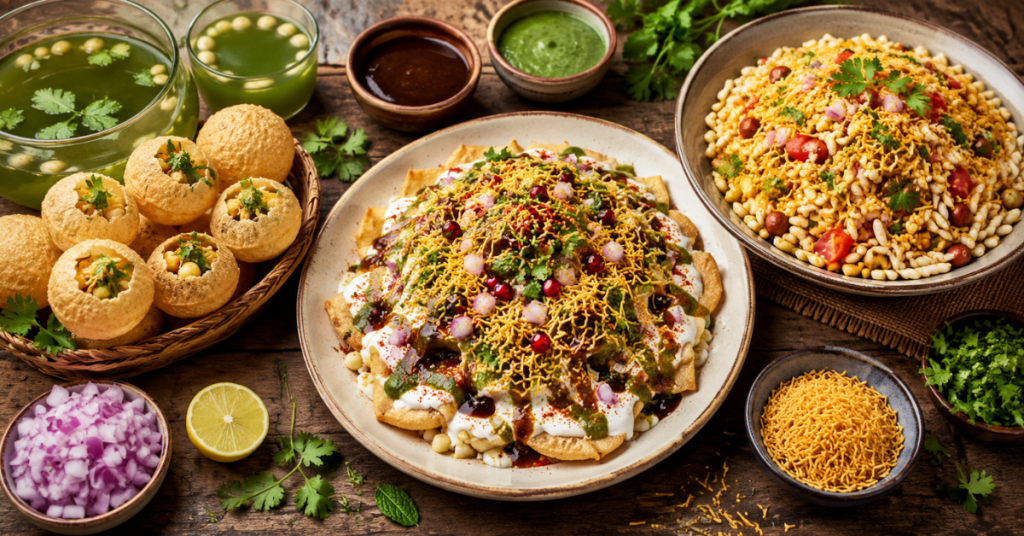
Indian chaat (savory snacks) are beloved for their layers of flavor tangy, spicy, sweet and fresh all at once. Three popular chaats Pani Puri, Papdi Chaat, and Bhel Puri often appear on menus and street carts, but they can be confusingly similar to newcomers. In Singapore’s multicultural food scene, these treats are gaining popularity, so it helps to understand what sets each apart. This matters for diners and restaurants alike: knowing the differences helps you order exactly what you crave and helps chefs tailor each dish. As a North-Indian fine dining restaurant in Singapore, Bukhara offers all three classics on its menu. Let’s explore each snack’s ingredients, taste profile, and unique bite so you can easily pick your favorite.
What Is Pani Puri?
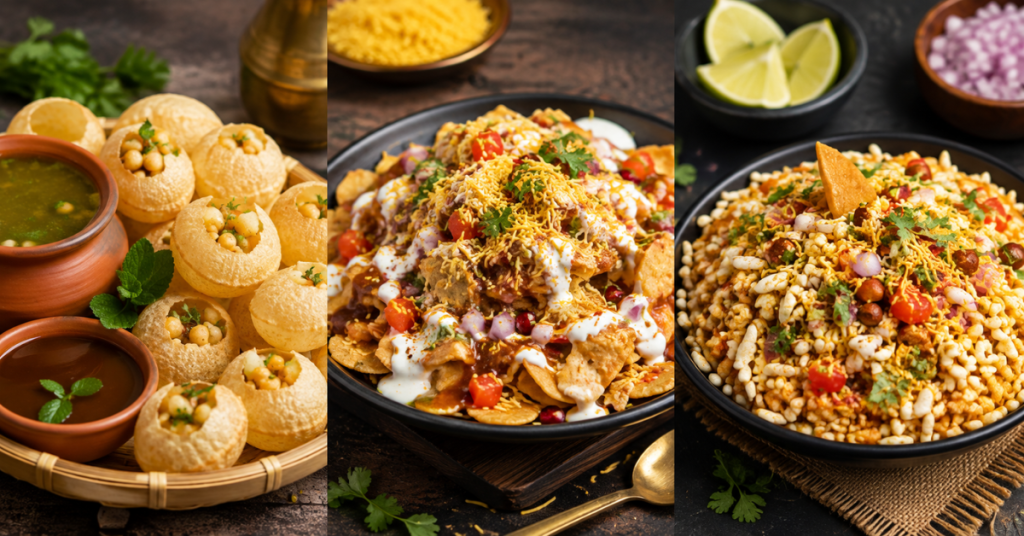
Pani puri (also called golgappa or phuchka) consists of a crispy hollow sphere (puri) filled with spiced potato or chickpea mix and dipped in seasoned water. Pani puri is essentially a puffed, deep-fried ball made from wheat or semolina flour, hollowed out and cracked on top. The vendor fills it with a tangy potato chickpea stuffing and serves it alongside pani (flavored water). Traditionally there are two types of pani: one is spicy mint-coriander water (teekha) and the other is sweet tamarind water (meetha). You assemble and eat each puri in one bite, popping it whole into your mouth so the sweet-sour-spicy liquid and filling burst with flavor.
Originating in North India, pani puri is often eaten in rounds you take one, refill, take another, and so on. The name literally means water puri (Hindi pani = water, puri = fried bread). At Bukhara Singapore, 8 pieces of pani puri are served in a set, described on the menu as “baby puffs filled with potato stuffing, served alongside spicy mint coriander water”. In practice, Pani Puri’s highlights are its soupiness and crunch: the hollow puri shell is crispy and light, and each bite feels like a mini soup. It’s usually spicy and refreshing, especially if the pani is made with mint and chilies.
Example: When you serve pani puri at a party, you often present the puris and filling together with bowls of chilled water and chutneys so guests can fill each one themselves. The joy of pani puri is in that little explosion of flavor. It’s interactive street food at its best.
What Is Papdi Chaat?
Papdi chaat features crisp fried dough wafers (papdi) topped with boiled potatoes, chickpeas, yogurt, chutneys, and sev. It’s tangy, sweet, creamy and crunchy. Papdi (or papri) chaat is a assembled street snack originating in North India (Chandni Chowk in Delhi is famous for it). The base is a flat, fried cracker made of refined wheat flour – think of it as a savory tortilla chip. These papdi wafers are arranged on a plate and layered with diced spiced potatoes and often boiled chickpeas. Then the whole thing is drenched in sauces: cooling yogurt (dahi), sweet tamarind chutney, and often spicy mint or coriander chutney. It’s finished with crunchy garnishes like sev (thin gram-flour noodles), chopped cilantro, onions, and a sprinkle of chaat masala or dried mango powder.
All those elements make Papdi Chaat a flavor festival – it hits sweet, sour, tangy, spicy, and creamy notes all in one bite. The textures range from crisp and crunchy (the papdi and sev) to soft and creamy (potato and yogurt). Bukhara’s menu lists a “Chandni Chowk Papdi Chaat” with exactly this composition.
For example, at home you might make papdi chaat by breaking a handful of papdi crackers into a bowl, topping them with mashed potato and peas, spooning on yogurt and chutneys, and then munching it like a nacho. It’s meant to be eaten with a spoon or fork (not by stuffing in your mouth like pani puri). Because it has yogurt and so many toppings, papdi chaat is cooler and creamier than pani puri, and every bite is layered with different textures.
What Is Bhel Puri?
Bhel puri is a dry chaat made of puffed rice mixed with crunchy sev, puris (papdi), fresh veggies and chutneys. It’s often credited to Mumbai (Bombay) but has Gujarati roots. The base of bhel puri is puffed rice – the same light, airy rice used in cereals. To this, vendors add chopped onions, tomatoes, boiled potato, cilantro, tamarind and mint chutneys, raw mango or lemon for tang, and a generous sprinkle of sev. Sometimes crushed papdi bits are mixed in for extra crunch.
Think of bhel puri as an Indian-style snack salad: the ingredients are all tossed together in a bowl or paper cone and served immediately. The result is savory and tangy, with a mix of crisp (sev, papdi crumbs) and chewy (puffed rice and veggies) textures. In contrast to pani puri and papdi chaat, bhel puri is not bite-sized nor eaten in liquid form. You scoop it with a spoon or eat by hand from a cone, getting a mix of flavors in each mouthful. Bhel puri’s charm is the contrast: crunchy versus soft, spicy versus sweet (tamarind gives sweetness), and aromatic versus fresh. Bukhara’s menu calls it “Rajdhani Bhel Puri”, describing it as puffed rice tossed with onions, tomatoes, coriander, tamarind, mint and dry mango spice – all the classic ingredients.
In practice, bhel puri stays drier than papdi chaat (little to no yogurt) and definitely drier than pani puri (which is soaked). If you’ve ever had a savory trail mix or a savory cereal, bhel puri has a similar crunchy, snacky vibe – you can imagine it as “salad for your hands.” Because the components don’t need staying crisp in water or yogurt, vendors often add fresh garnishes like sev at the very last minute.
Key Differences: Ingredients and Experience
Here’s how the three differ at a glance:
- Base Ingredient: Pani puri uses whole puri shells (deep-fried, hollow balls). Papdi chaat uses flat fried dough wafers (papdi). Bhel puri uses puffed rice as its base (often mixed with crushed papdi).
- Toppings & Sauces: Pani puri is filled with spiced potato/chickpeas and dipped in flavored water (mint, tamarind, etc.). Papdi chaat is topped with yogurt, chutneys, potato, and sev on the papdi. Bhel puri is mixed with chutneys, veggies, and sev (no yogurt).
- Texture & Form: Pani puri is crunchy on the outside but juicy inside (you eat it whole in one bite). Papdi chaat is crunchy and creamy – crispy papdis with spoonable yogurt/chutneys. Bhel puri is crispy and chewy – an all-mixed dry snack you pick up.
- Eating Style: Pani puri is eaten bite by bite, assembling each piece as you go. Papdi chaat is eaten from a plate, bite by bite, with toppings. Bhel puri is eaten by scooping or hand, getting a bit of everything each time.
- Taste Profile: Pani puri hits spicy and tangy (mostly from the water). Papdi chaat is sweet, sour, spicy, and cooling (because of yogurt and chutneys). Bhel puri is savory and tangy, with sweetness from tamarind and a hint of chili.
- Cultural Origin: All are North Indian chaats, but pani puri is popular across India under many names, papdi chaat is a Delhi staple, and bhel puri has Mumbai/Gujarati origins.
These differences mean each snack suits a different mood. Craving a mouth-puckering burst of mint-chili? Go for pani puri. Want a cooling, savory mash-up? Choose papdi chaat. Seeking a crunchy street-side mix to munch on? Bhel puri is your pick.
Serving Tips and Pairings
- Serve Immediately: All three are best freshly made. Pani puri needs to be crisp so fill the puris just before eating. Papdi chaat and bhel puri stay crisper if served right away (bhel puri can get soggy if chutneys sit too long).
- Chilled Accompaniments: Pani puri and papdi chaat both pair well with cooling dinks. A chilled lemonade (nimbu pani) or mango lassi balances the spices. In Singapore’s heat, these snacks make fun appetizers before a North Indian dinner.
- Garnish Generously: Fresh herbs (cilantro, mint), chopped onions, and a squeeze of lemon enhance all three. For papdi chaat, lots of sev (tiny fried noodles) on top adds crunch. Bhel puri can be dressed up with roasted peanuts or pomegranate seeds for color and flavor.
- Party Platters: Pani puri is often served family-style: arrange puris on a platter and pass around bowls of filling and pani. At Bukhara’s special banquets, all three snacks can be included in a chaat platter so guests share and taste a variety.
- Customization: Each dish welcomes tweaks. You can make pani puri sweeter or spicier by adjusting the pani. Papdi chaat can be made gluten-free by using chickpea flour papdi. Bhel puri is naturally gluten-free and vegan, making it a crowd-pleaser for mixed dietary tables.
By understanding the components – the crisp puri of pani puri, the layered papdi of papdi chaat, and the puffed rice of bhel puri – you’ll know exactly what to expect. In Singapore’s Indian eateries, these chaats often appear together, but each brings its own identity. At Bukhara, our menu proudly showcases Chandni Chowk Papdi Chaat, Pani Puri Golgappa, and Rajdhani Bhel Puri as distinct dishes. So whether you enjoy the liquid fire of pani puri, the creamy crunch of papdi chaat, or the tangy mix of bhel puri, now you’ll know what makes each one special.
Conclusion
In summary, pani puri, papdi chaat, and bhel puri are all vibrant Indian street snacks, but they differ in form and flavor. Pani puri is a stuffed, water-dipped hollow puri; papdi chaat is a loaded plate of crisps with yogurt and chutneys; bhel puri is a tossed mix of puffed rice and spices. Each offers a unique textural and taste experience – from liquid spice to creamy tang to crunchy salad – showing the diversity of chaat cuisine. For diners, knowing these differences means never confusing a tangy golgappa party for a plate of creamy dahi chaat. For restaurants like Bukhara, it means serving authentic versions of each with the right accompaniments so guests enjoy the full experience. As Singapore’s food scene continues embracing global street flavors, these Indian chaats provide a flavorful way to “break bread” together. Try all three to see which one wins your taste buds – and enjoy the journey of flavors they offer.
FAQs
Are Pani Puri, Papdi Chaat, and Bhel Puri vegetarian?
Yes. All three are vegetarian snacks by tradition. They mainly use potatoes, chickpeas, yogurt, chutneys and fried dough or puffed rice, with no meat ingredients.
Which is spicier: Pani Puri, Papdi Chaat, or Bhel Puri?
Pani Puri is usually the spiciest because of the chili-mint water. Papdi chaat has a balance of sweet and spicy (from chutneys) and is mellowed by yogurt. Bhel puri is tangy and can be moderately spicy but you can control the heat by adjusting the green chili or chutney.
How should I eat these chaats?
Pani puri you fill one puri at a time and eat it in a single bite. Papdi chaat is eaten off a plate, scooping papdi, potato and toppings together. Bhel puri is typically served in a bowl or paper cone; you mix it and eat it like a snack mix. They’re all finger-friendly or eaten with a small spoon.
Can I make these at home?
Absolutely. Ready-made papdi or puri shells and packaged sev are available in Singapore’s Indian grocery stores. Just prepare the potato filling, chutneys, and toppings, and assemble fresh. Bhel puri is especially easy: toss puffed rice with chopped veggies, peanuts, and chutneys. Homemade versions let you adjust sweetness and spice.
Where can I try authentic versions in Singapore?
Many Indian restaurants and food stalls offer these chaats. Bukhara’s menu features all three under its “Purani Delhi Street Food” section, made in the Old-Delhi style. Other notable places include vegetarian chaat shops in Little India and specialty street-food pop-ups. If you want a quick fix, look for Pani Puri or Bhel Puri on Indian restaurant menus – they’re popular appetizers after a curry dinner.