
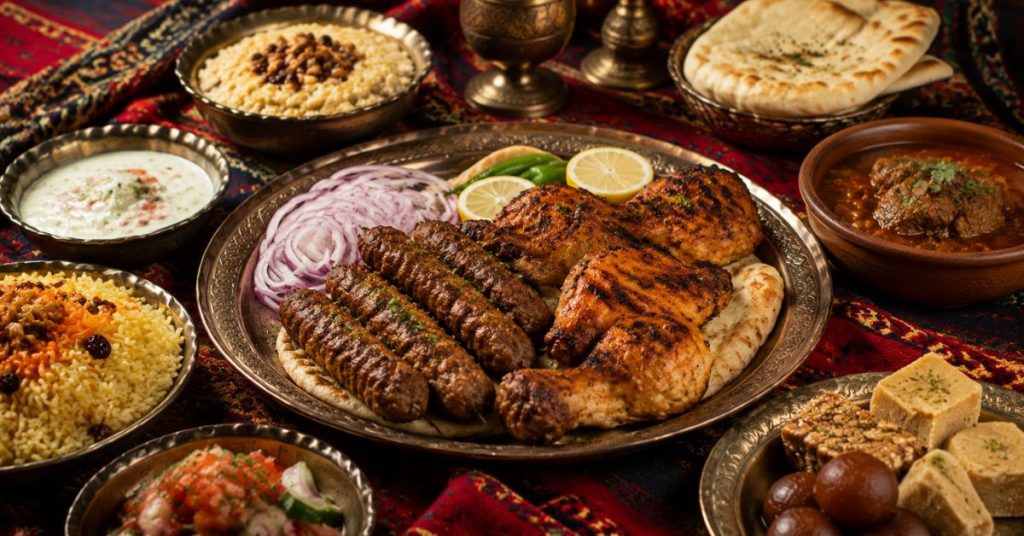
A celebration meal has to do more than taste good. It needs to keep a table engaged, give people reasons to share offer enough variety for different preferences and, ideally, make the meal itself feel like part of the occasion.
That is where North West Frontier food has a natural advantage. Its character comes from fire-grilled meats, slow-cooked dishes, generous breads, fragrant rice and food intended to move around a table rather than remain confined to individual plates. Historically, tandoors in the Punjab and former North-West Frontier were even used communally with families bringing dough and marinated food to be cooked in the intense heat of the clay oven.
In Singapore, where birthdays, family gatherings and corporate dinners often bring together guests with different tastes, that combination of theatre, generosity and flexibility makes Frontier-style dining particularly well suited to celebrations.
The Food Is Built Around Sharing, Not Separate Plates
Many restaurant meals are structured around individual choices: everyone orders a starter, a main course and perhaps a dessert. North West Frontier dining works differently. Kebabs, curries, dal, breads and rice naturally encourage a table to order collectively.
Fresh naan can be torn and passed around. A platter of grilled kebabs gives several guests the opportunity to taste the same dish. Curries invite people to spoon a little onto their plates before moving on to another flavour. Rice and bread connect everything.
That changes the social rhythm of dinner. Instead of six people eating six independent meals, the table becomes involved in one shared feast.
Bukhara Singapore makes this philosophy explicit through its emphasis on “breaking bread” together and dishes designed for communal dining. Its cuisine highlights tandoor-baked breads, grilled dishes and platters as part of the Frontier experience.
For anyone planning a celebration, that matters. Passing food, recommending a dish to someone else and reaching for another piece of naan create small interactions throughout the meal. The food helps generate conversation instead of competing with it.
Tandoor Cooking Gives the Occasion a Sense of Theatre
Celebration food should feel different from an ordinary weekday dinner. The tandoor helps create that distinction before the first bite is even taken.
A clay tandoor reaches intense temperatures, producing the characteristic char, blistering and smoky aroma associated with tandoori cooking. Meat can develop a deeply roasted exterior while remaining tender inside, while naan cooks directly against the oven wall and arrives with puffed sections and lightly charred edges.
Aroma Makes the Meal Feel Immediate
A sizzling kebab or freshly baked naan has a presence that a quietly plated dish does not. Smoke, roasted spices and warm bread reach the table before guests begin eating.
That sensory impact is particularly effective during a celebration because it creates anticipation. When several dishes arrive together the table instantly looks and smells abundant.
Bukhara traces this style of dining back to the Frontier tradition of eating around the warmth of a fire, where grilled food and communal bread were closely connected with hospitality.
A Frontier Feast Has a Natural Celebration Rhythm
The best group menus do not deliver every flavour at once. They build momentum.
North Indian and Frontier-inspired dining can move from bright, crisp starters to smoky grills, then into richer curries, dal, rice and breads before finishing with something sweet. Each stage feels different enough to keep a long celebration meal interesting.
At Bukhara, for example the banquet menu begins with Papdi Chaat, Bhel Chaat, Samosa Chaat and Pani Puri alongside chicken and lamb kebabs. Guests then choose curries, accompanied by dal, rice, naan or roti, chutneys and raita, before finishing with Gulab Jamun or Rasmalai.
That progression works because every course performs a different job:
- Chaat creates energy: crisp textures, tamarind, mint, yoghurt and spice wake up the palate and give guests something playful to share.
- Kebabs introduce the fire: charred, aromatic grills make the meal feel substantial without immediately becoming heavy.
- Curries and dal slow the pace: diners can settle into conversation while combining different gravies with bread and rice.
- Naan and rice bring the table together: instead of competing with the mains, they allow guests to build different bites from the same spread.
- Indian desserts provide a clear finish: a shared sweet course gives the celebration a satisfying final moment.
Bukhara’s own guide to why chaat works so well for group meals notes how its contrasting textures and shareable format help start conversation before the heavier dishes arrive.
Abundance Comes From Variety Rather Than Oversized Portions
Celebrations often call for a sense of generosity, but generosity does not have to mean putting one enormous dish in front of every guest.
A Frontier-style spread can feel abundant because several complementary dishes appear together. A kebab tastes different beside mint chutney. Dal changes when scooped up with garlic naan. A rich curry feels different when followed by raita or saffron rice.
This allows guests to keep discovering new combinations throughout dinner.
The current Bukhara Singapore menu demonstrates that range with chicken, lamb and seafood kebabs; curries; Dal Bukhara; biryanis saffron and cumin rice; tandoori breads; chutneys, raita and desserts.
For a birthday or anniversary dinner, that variety can make the meal feel much more generous than a conventional three-course format while still keeping every dish purposeful.
It Can Accommodate Very Different Guests at One Table
A common problem with celebration dining is choosing somewhere that satisfies everyone. One person wants grilled meat, another prefers vegetarian food, someone enjoys bold spice and another wants something milder.
Although North West Frontier cuisine is strongly associated with grills, a well-planned menu does not depend entirely on meat.
At Bukhara, vegetarian choices include Sufiyani Gulnar Paneer Tikka, Dal Bukhara, Yellow Dal Tadka, vegetable dishes, paneer curries and an Awadhi vegetable dum biryani. The menu also includes fish, prawns, chicken and lamb, along with multiple rice and bread options.
This gives a group something valuable: choice without fragmentation.
People can eat according to their preferences while still sharing the same overall dining experience. Vegetarian diners are not necessarily restricted to a token side dish, while guests who came specifically for tandoori cooking still get the smoky grills they expect.
Signature Kebabs Give the Table a Sense of Occasion
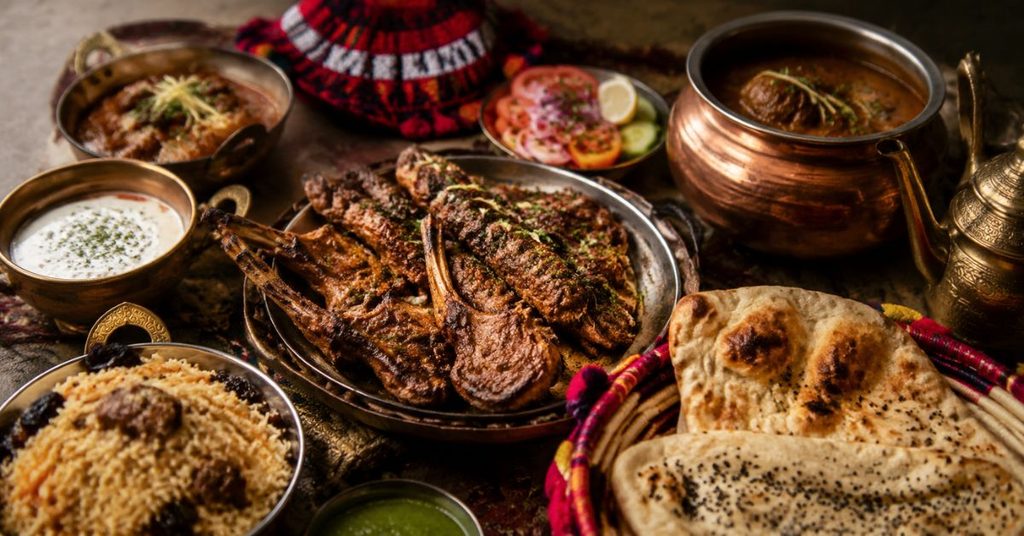
Kebabs are particularly effective at celebrations because they sit somewhere between individual appetisers and large shared mains.
They can be passed around easily, ordered in several varieties and enjoyed without forcing the group to commit to one dominant flavour.
They also carry an association with feast cooking. Across northern India, royal and regional kitchens developed distinctive grilled and skewered meat preparations for elaborate meals, with traditions from Patiala, Lucknow and Kashmir shaping different styles.
Bukhara’s menu reflects that range through dishes such as House-of-Patiala Murgh Tikka, Murg Malai Gulzar Kebab, Sultanate Seekh Kebab and Lamb Rack Tabak Maaz. There is also a non-vegetarian platter combining chicken tikka, lamb seekh kebab and fish, making it especially suitable when a table wants to sample instead of committing to a single starter.
For celebrations, this is exactly the right kind of variety: enough choice to create discussion, but not so much that everyone ends up eating separately.
Banquet-Style Dining Removes Much of the Planning Stress
The food may be traditional, but one of its biggest advantages for modern celebrations is practical.
Large groups become harder to organise when every guest has to study a long menu and place an individual order. A sharing menu simplifies the decision-making process while still giving the table variety.
Bukhara’s banquet structure is specifically designed around this idea. The number of curry choices increases with the group size: two curries for two to three diners, four for groups of four to six and six for groups of seven or more. Dal, rice, bread and accompaniments are then included around those selections.
That makes the format suitable for occasions such as:
- Birthdays and anniversaries, where guests want a leisurely meal rather than constant ordering.
- Family celebrations, especially when several generations or food preferences are represented.
- Corporate dinners, where sharing dishes can make the atmosphere less formal and encourage conversation.
- Group catch-ups and festive meals, where variety matters more than everyone receiving an identical set course.
Bukhara specifically positions its banquet offering for birthdays, anniversaries, corporate events and family celebrations.
How to Build a Good North West Frontier Celebration Meal
Start Lighter Than You Think
A common mistake is beginning with too many heavy kebabs. Chaat works well first because acidity, crunch, yoghurt and chutneys create appetite rather than exhausting it.
Choose Contrasting Grills
Instead of ordering several similar chicken dishes, combine different textures and proteins. A creamy malai-style kebab, a spiced seekh and a chargrilled fish or paneer dish make a more interesting shared plate.
Limit the Number of Rich Curries
More dishes do not automatically create a better feast. Two or three distinctly different gravies, supported by dal, bread, rice and raita, usually create more contrast than several dishes with similar richness.
Treat Bread as Part of the Experience
Fresh tandoor bread is not simply a carbohydrate on the side. Tearing naan, pairing it with dal and trying it against different curries is central to the communal nature of the meal.
Leave Space for Dessert
A celebration feels more complete when the table reaches a deliberate finish rather than stopping because everyone ordered too much at the beginning. Indian sweets such as Rasmalai or Gulab Jamun provide a natural final course.
Why This Style of Food Fits Singapore Celebrations So Well
Singapore diners are accustomed to meals built around sharing, whether at family restaurants, banquet tables or communal-style gatherings. North West Frontier dining fits comfortably into that culture while offering its own distinctive identity through tandoor smoke, slow cooking, aromatic spices and Indian breads.
At Bukhara Singapore the concept extends beyond the food itself. The restaurant describes its setting and hospitality as suited to family gatherings, business dinners and special occasions, while its banquet offering is intentionally organised around dishes guests can experience together.
That is ultimately why Frontier food works for celebrations: it does not simply feed a group. It gives the group something to do together.
Conclusion
North West Frontier food is made for celebrations because its strongest qualities are social ones.
Tandoor cooking creates aroma and spectacle. Kebabs encourage sampling. Curries, dal, rice and naan reward sharing. Chaat gets conversation started, while a varied spread allows meat lovers and vegetarian diners to enjoy the same table without feeling that they are eating entirely separate meals.
Most importantly, the format turns dinner into a collective experience. Guests pass dishes, compare favourites, tear bread, return for another spoonful of curry and gradually move through the feast together.
As celebration dining becomes increasingly experience-led, that quality will remain valuable. The most memorable occasions rarely depend on one extravagant dish; they depend on food that gives people a reason to stay at the table. North West Frontier cuisine has been doing exactly that for generations.
FAQs
Why is North West Frontier food suitable for large celebrations?
Its kebabs, curries, breads, rice and accompaniments are naturally easy to share. Groups can order several dishes and experience them together instead of choosing completely separate meals.
Is North West Frontier cuisine only suitable for meat lovers?
No. While grilled meats are important, menus can also include paneer kebabs, dal, vegetable curries, vegetarian biryani, rice and tandoori breads.
What should you order first for a North West Frontier celebration meal?
Start with lighter shared dishes such as chaat, followed by a small selection of contrasting kebabs. Curries, dal, bread and rice can then form the main part of the feast.
What makes tandoori food feel special for an occasion?
High-heat clay-oven cooking creates char, smoke and distinctive aromas that make dishes feel more dramatic when they reach the table. Fresh tandoor bread also adds an interactive sharing element.